Welcome To
Friends of Aslan
“Keep your job – and let us join you”
Friends of Aslan is an emerging global Christian mentoring community where we work together with local churches, Christian NGOs and schools that want to develop a robust and sustainable basic discipleship pathway within their organizations. It is designed for people ages 12 and up who follow Jesus in their multicultural urbanized, globalized, broken but beautiful world.
Our GoalS:
Help each other get better at:
1. Approaching
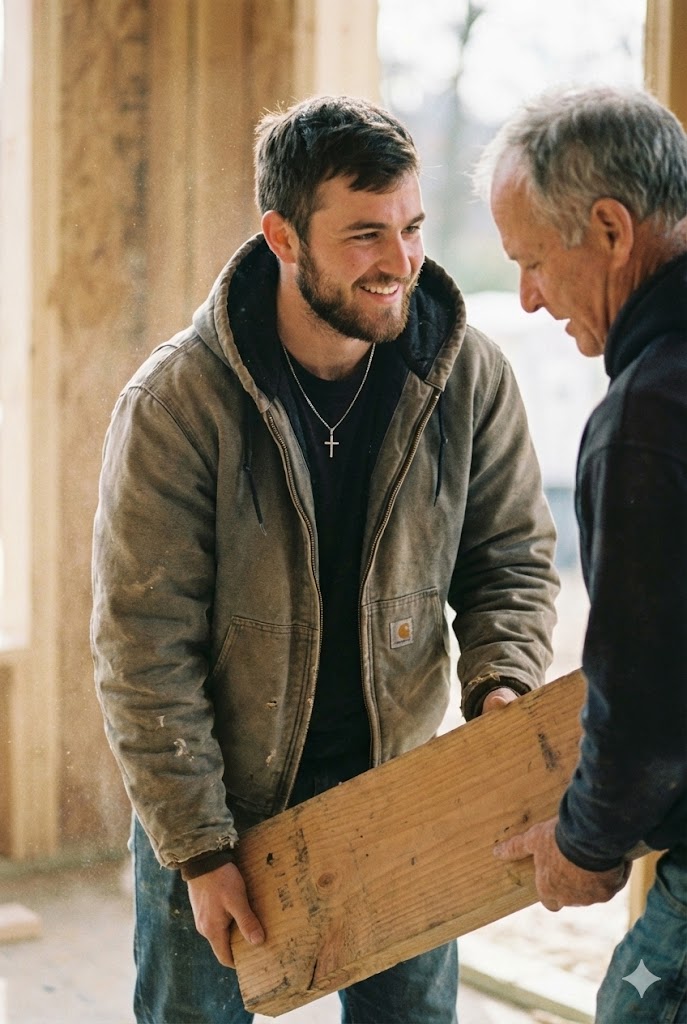
our work (or studies) as an expression of worship

2. Embracing
our priestly and emissary role in our current context
3. Teaming up
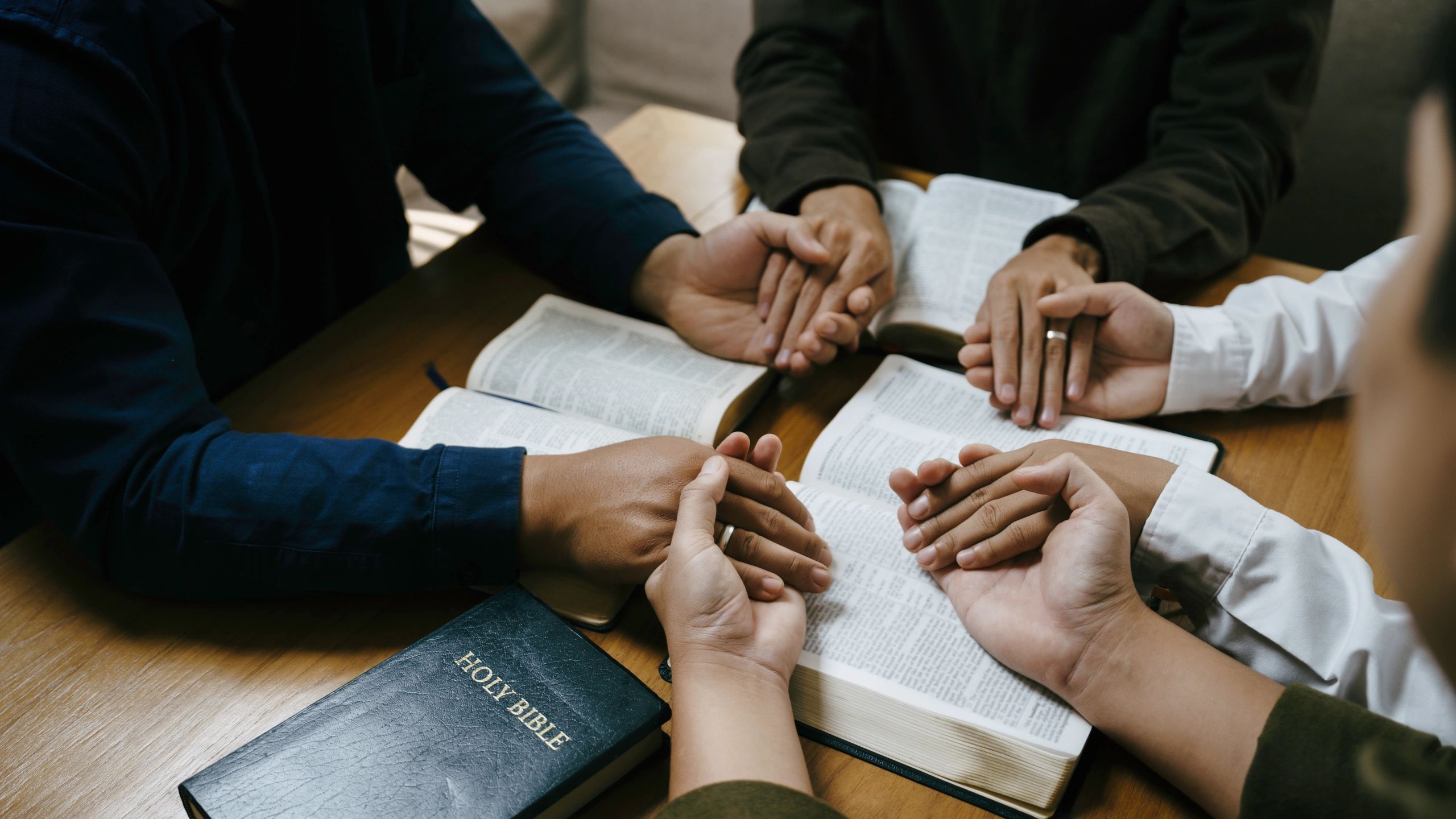
with others to maximize our growth and impact in our workplaces, schools and communities
THREE OF OUR UNDERLAYING ASSUMPTIONS
1. Our affinity groups, particularly our workplaces (or schools) are probably our primary spheres of influence
Our affinity groups are the people we relationally connect with because they share a common identity, interest, goal, or background with us. Most of us live and work (or study) in urban multicultural settings and live in urban multicultural communities. In such places, affinity groups have less to do with common ethnic identity and more to do with shared interests and goals. Therefore, we encourage each other to explore and experiment with ways to bless the people in our affinity groups, particularly our workplaces/schools because that is where most of us spend the majority of our waking hours. We mentor, coach, and team-up with this in mind. We also understand that our work (paid or volunteer) is integral to who Jesus calls us to be.
2. We are all created to be emissaries and priests within our context
As followers of Jesus, an important part of our God-given identity is to be emissaries and priests wherever we are and among the people we are with. Each of us has a role as an emissary/priest for the Kingdom of God no matter what our age, occupation or position in society. In Christ, every politician, welder, driver, project manager, public servant, student, grandmother, etc has a priestly role. But being an emissary/priest (like many things in life) is something best done together with others.
3. We are meant to journey with others
Our journey in life was never designed to be traveled alone—God designed His people to work together in teams…large and small. Friends of Aslan promotes and supports the formation of purpose-driven teams (not just fellowship groups) within every affinity group we are part of. The purpose of these teams is to explore together how we might bless those in our affinity groups together and encourage each other in our priestly role.

Theological Foundation
Three Core Theological Emphases

1. The priesthood of all believers
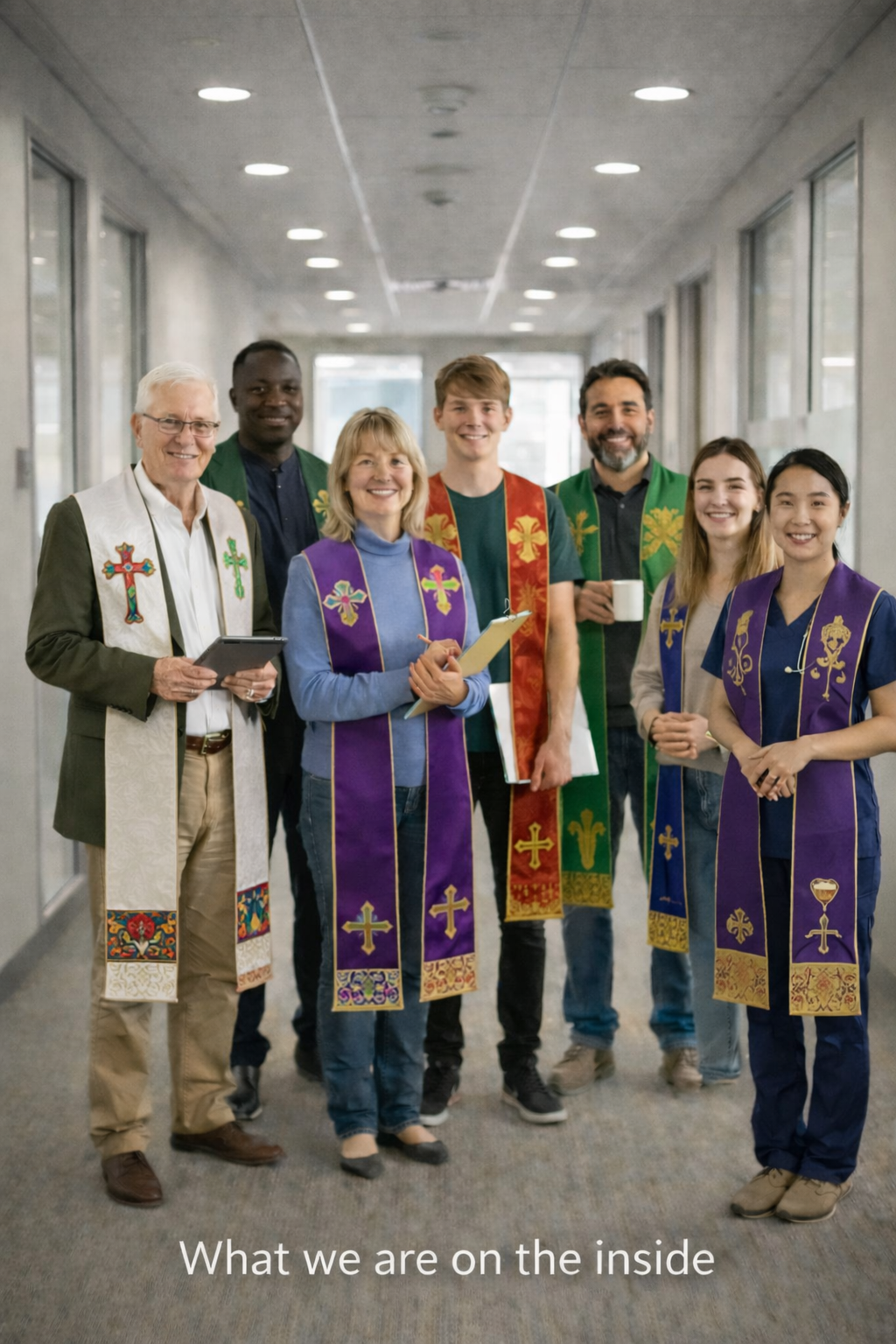
We believe that every follower of Jesus is designed to be a priest and emissary of Christ. As such, we are authorized and entrusted to represent God before our people and to represent our people before God. In most cases, “our people” are the individuals in our affinity groups, including our family, neighbors, work colleagues, clients and interest groups… and yes, even the strangers and disenfranchised we meet along our way. Whenever possible, we team-up with others in our priestly and emissarial roles.
2. A Biblical theology of work
We believe followers of Jesus are called to do good works. We are not “saved” by doing good works but we were created to do good works. This does not just mean feeding the poor or helping an elderly neighbor get to his doctor appointment. Good works include our attitudes and actions in our studies, professions, and all our relationships. We believe our works are meant to be an expression of worship. Therefore, we strive to adopt a mindset about work that is rooted in biblical thought, reflecting our commitment to put Jesus’ commands into practice the best we know how… and when possible, together with others.
3. Community… the act of teaming up
Two are better than one because they have a good return for their labor. Ecc 4:9-12. This is one of many compelling reasons given in scripture to team up with others. Everyone in Friends of Aslan seeks to purposefully collaborate with other followers of Jesus. This frequently means seeking out and inviting others within our current affinity groups to explore how we might work together to be salt and light together. Most of us are likely part of multiple affinity groups and therefore members of multiple teams who are seeking God on behalf of the people in their group.
Friends of Aslan agree with the Lausanne Covenant.
Why Friends of Aslan?
We have the potential to help change the prevailing paradigms and mobilize hundreds of thousands of workers into the harvest
Most mission organizations today operate from a recruiting paradigm that sounds something like: “Give up your job and join us!”. This is good and necessary for some. However, we believe that God does not expect most followers of Jesus to leave their jobs to follow Jesus. We believe every Christian is called to become a “full-time” follower of Jesus in the midst of whatever work or occupation they are involved in. Therefore, Friends of Aslan encourage you to ‘Keep your job (or get one) — and let us join you‘ on your discipleship journey. Since being a disciple and making disciples is a lifelong endeavor let’s organize ourselves to help one another be strong finishers.
We call ourselves Friends of Aslan™ as a nod to C.S. Lewis’ famous novel series The Chronicles of Narnia. Inspired by the novel series we incorporated a few Turkish words (Aslan means lion in Turkish) into the nomenclature of Friends of Aslan just for the fun and adventure of it.
Friends of Aslan is loosely modeled after Christian religious orders, in that we incorporate stages to membership that include ideas of both being and doing. We do this to create a basic but robust discipleship curriculum applicable to followers of Jesus age 12 and up.
Friends of Aslan is an experiment to see if we can create new 21st century global missional communities where local partnering churches and Christian NGOs are the primary onboarding structures through their own inhouse programs.

Friends of Aslan embrace five Rules as the basic framework for our community. We believe these five rules to be unchangeable, non-negotiable, and timeless truths. They are truth statements that point us in the direction God wants us to walk and the purposes and people God created us to be. We believe these five rules are valid across all cultures and fundamental for human thriving. They are not unique to Friends of Aslan but they are the foundational pillars of what we believe.
Associated with the five Rules are twenty-five action points we call Waymarks. These represent basic action points or ways we can respond to the Rules. Together the Rules and Waymarks form the basis of Friends of Aslan’s discipleship curriculum. There are also three stages to the Friends of Aslan onboarding process. These are:
1 Narnians are what we call the candidates in the process of becoming full members of Friends of Aslan. A Narnian is an apprentice or applicant. This is stage one.
2. Friends of Aslan are full members. They embrace the five Rules and have also completed all twenty-five of the associated Waymarks. This is the journeyman phase or stage two.
3. Yoldash is a Turkish word meaning friend on the road or traveling companion. They are the mentors/coaches who have completed both the initial twenty-five Waymarks as well as a handful of additional Waymarks designed specifically for Mentors/Yoldash. These include memorizing Matthew chapters 5-7, completing Biblical Peacemaking training and additional coaching and mentoring training, The goal is for every Friend of Aslan to be a Yoldash. This is stage three. Yoldash often have one or more specialty focuses like biblical peacemaking, financial stewardship, addiction counseling, leadership development, entrepreneurship, small group formation, etc.
The onboarding process of Friends of Aslan is decentralized. It is facilitated by partner churches and Christian organizations as programs imbedded within their organizations. Some of the onboarding process can be done online.
Friends of Aslan aims to operate without employees. Everyone involved is a volunteer or part of a partner organization that dedicates staff to work with Friends of Aslan. From time to time we pay contractors for professional administrative services and incur operational expenses. Therefore we charge a low monthly membership fee. We also prefer to use pre-existing (off-the-shelf) training resources rather than create our own. Thus we have a growing ‘curated’ library of recommended resources and very low overheads that we might partner with many on their discipleship journey.

Growth Happens Together
The Mentoring Community
Our global community is made up of individuals, partner churches and Christian NGOs and schools. Currently we are in the startup phase and prototyping the concept and looking to partner with more churches and Christian NGOs interested in joining the experiment.

A Global Community in the Making
Our leadership team is multicultural and deeply experienced in Europe, North America, Central Asia, and the Middle East. Currently we are focused in the Nordic countries and testing the Friend of Aslan concept by partnering with local churches and Christian NGOs as they pilot test their Yurts. “What is a yurt?” you ask.
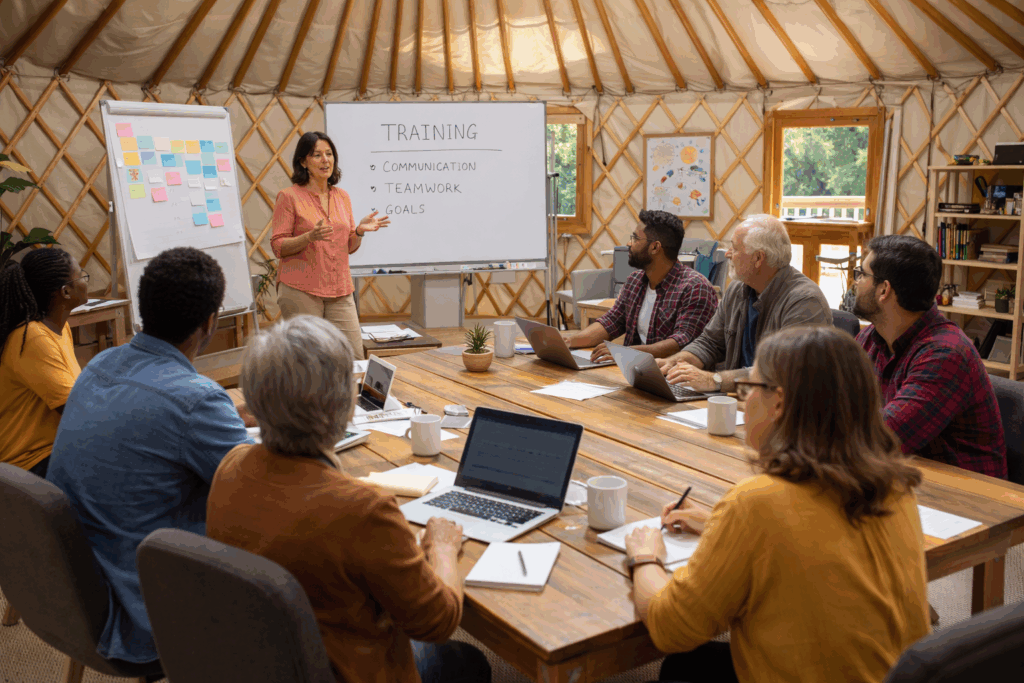
Yurts
Yurt is a Turkic word for a round portable tent historically used by nomadic peoples in Central Asia. In our context, Yurts are chapters that facilitate the training, mentoring, and membership onboarding process with Friends of Aslan. Yurts typically operate as a program within a partnering church or Christian organization. Contact us if you’re interested in learning more about starting a Yurt!

Teaming-up
Teaming-up is one of the most important things our members do. This typically means we either join or organize a team within our workplace, occupation sector, school, special interest group, community and/or other affinity group to pray and explore together how to bless and serve it. Once we agree together on some ideas, we then work together to put them into practice.
How to Get Started
Steps to Getting Started with Friends of Aslan
Becoming part of our mentoring community is simple. Follow these steps to get started:
1. Learn about why Friends of Aslan exists and hopes to do

2. Embrace the five Rules and begin on the Waymarks you have yet to complete
3. Contact us to arrange a Zoom meeting to learn more and get personally connected
You can also write us and ask about our 5-day in-situ “missions experience” we call Workship Week. Short-term mission trips have been integral to many followers of Jesus’ discipleship journeys since Luke 9 and 10 when Jesus sent out the 12 and later the 72 and had them work in teams to experienced God provide for them and use them in amazing ways. The purpose of Workship Week is to replicate the intentionality and teamwork of a short-term missions experience without leaving home. Participants in Workship Week can expect to experience God use and provide for them right where they are. The experience helps connect, encourage, and equip followers of Jesus to embrace their priestly/emissarial role at work or at school, at home or in the community. It will whet your appetite to come “further up and further in” (from The Last Battle by C.S. Lewis) on your discipleship journey.
Rules and Waymarks
Our five core Rules are lifetime truth statements from Scripture. We believe these to be timeless truths that are valid across all cultures and fundamental for human thriving. Each Rule has five associated Waymarks or action steps, for a total of 25 initial Waymarks.
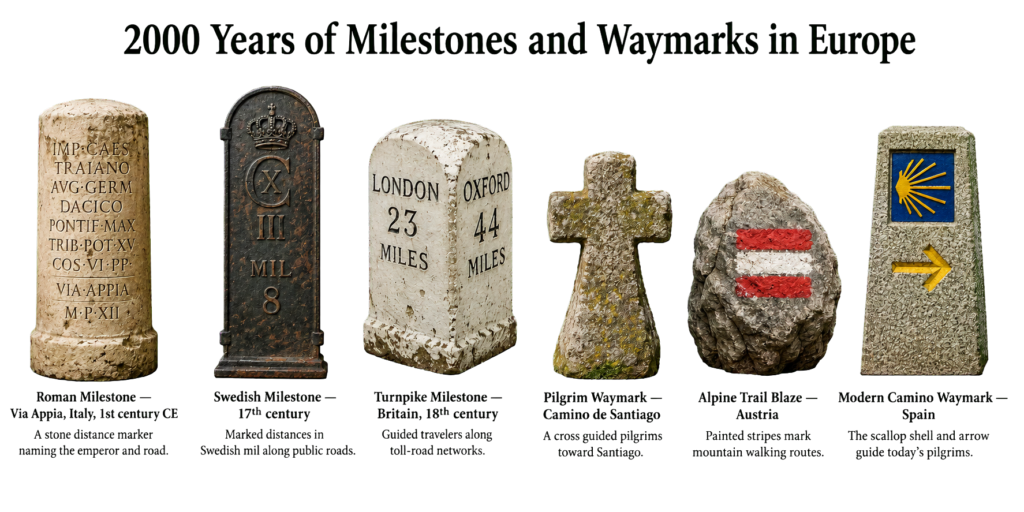
Waymark shows direction and milestones measures progress. Various types of waymarks have been used in Europe for more than 2000 years. They give us confidence that we are on the right path and can give us a sense of progress. They also can sometimes help us find our way back when we encounter inevitable detours. Friends of Aslan use these terms to represent our guiding principles and goals. Our Waymarks were derived from the Bible and from onboarding criteria and competency standards used by various interdenominational, international mission communities. They are not meant to represent a complete list of Christian commitment but rather to serve as a “basic” discipleship curriculum from which other Christian communities can continue to build upon. In addition, each Yurt (i.e. local chapter of Friends of Aslan) has the freedom to add up to five additional Waymarks. This allows partnering communities to include other priorities that are not included in the 25. However, they cannot neglect or edit the original 25. This structure is designed to create a framework for the basic mentoring of individuals and groups within a broad segment of Christian traditions so as to create common ground for communication, collaboration and rapid multiplication.
After the two-year startup or “testing cycle” of the Friends of Aslan is finished, the 25 Waymarks will be edited and then fixed for a ten year period. Every ten years the Waymarks will be reviewed by our membership for potential modification. Of course, even now it is possible that some of the Waymarks (due to extenuating circumstances) are unattainable for some followers of Jesus to complete. In such cases, alternative Waymarks can be negotiated with Friends of Aslan. Below are Friends of Aslan’s five Rules and twenty-five Waymarks.
A. Foundations
I was lovingly and purposefully created by God. Therefore, in awe and humility I purpose to understand and put into practice all the teachings of Jesus for the rest of my life. John 14:21, 2 Tim. 3:16-17. As initial actions towards this truth, I:
- Surrender my life to God through faith in Jesus Christ. 2 Cor 4:2, Eph 6:12, Col 2:15
- Repent/turn away from all my known sin and renounce the Devil and his works. Acts 2:38, Gal 5:19-21, Ja 4:7
- Have been baptized. Acts 2:38
- Forgive those who have wronged me and pursue reconciliation with those I have wronged. Heb 12:14, Mat 5:23-25,6:14-15, Eph 4:31-32
- Have a growing understanding of my identity in Christ and the loving purposes for which I was designed. Eph 2:10
B. Good Works
I was created to do good works. Therefore, I purpose to do works (paid or volunteer) that are ethical, excellent, and an expression of worship to God all my life. (Eph 2:8-10, Col 3:23, Mt 5:16, Gen 1:28). As initial actions towards this truth I:
- Have had a Luke10:1-20 experience (sending of the 72) where I can personally testify to how God provided for me and used me to bless others. Also see Luke 9:1-10.
- Have a trade, skill, qualification, or work (paid or unpaid) that serves the common good and provides (or can provide) an income or financial benefit to myself. Col 3:23-24, 1 Tim 5:8, Eph 4:28.
- Have evidence of excellence at my trade, skill, schooling, or work (paid or unpaid). I strive to be excellent at my work. Titus 3:8
- Purpose to grow in humility, wisdom and all the fruit of the Spirit (Gal 5:22-23).
- Team up with other followers of Jesus for service, prayer, edification, collaboration, accountability, encouragement, counsel, and mutual benefit. Ecc 4:12, Pr. 27:17, 1Pet 4:8, Heb 10:25
C. Spiritual Disciplines
I was created to be holy. Therefore, I purpose to surrender every aspect of my life to God all my life. Mt. 6:1-8, 1 Tim. 4:8, John 4:24. As initial actions towards this rule, I:
- Have read the entire Bible from Genesis to Revelation and purpose to understand and obey it.
- Purpose to practice daily rhythms of prayer and meditation of Scripture. Phi 4:6, Col 4:2, 1Th 5:17, 2 Tim 2:15; 3:16, Ps 119:105, Jos 1:8
- Have increasingly seen a shift in my interpretation of suffering, hardships, and disappointments from “God is against me” or “God doesn’t care” to “God is forming me” and “God is with me”. John 16:33, Ja 1:2-4, 1 Pet 1:6, 4:12,13,19, Phil 1:29
- Purpose to confess (and turn from) my ongoing failures rather than hide them. I strive to be appropriately transparent about past and current struggles with fear, disappointments, loneliness, pride, materialism, lust, pornography, crime, drugs, alcohol, gambling, and other addictions or harmful habits. Ja 5:16, 1 Jn 1:9, Pr 28:13
- Purpose to use my words to bless, encourage, and edify others. I strive to always speak the truth in love even when I need to correct or admonish others. I refuse to participate in gossip, slander, deception, falsehood, and grumbling. 2 Cor 12:20, Prov 20:19. 1 Pet 4:11.
D. Stewardships
I was created to love others. Therefore, I purpose to be a faithful steward of what has been entrusted to me by God. By faith I will share, invest, develop, and “risk” what has been entrusted to me in service to others for the rest of my life. 1 Pet 4:10, Lk 16:11. As initial actions to this rule, I submit to God my:
- Finances/Possessions: These belong to God. Therefore, I embrace a modest lifestyle and live within my means. I Cor10: Heb 13:5, 1 Pet3:3-4. I purpose to be both generous and frugal and to be free of financial debt. Act 20:35, 2Cor.9:7, 1Tim.6:17-19. Heb 13:5, Rom 13:7-8, Lk 16:11
- Body/Appearance/ These belong to God. I understand my body is a temple of God and therefore I pursue healthy habits of eating, exercise, sexual purity, and rest. I discipline my body for self-control and strive not to harm my body nor expose it to unnecessary harm or risks. 1 Cor 3:16-19; 9:24-27; 10:31 Rom 12:1
- Mind/Heart: These belong to God. I guard what goes into my mind through my eyes and ears and what I think about. I nurture my mind with that which is pure, good, noble, and edifying. Rom12:2, Ph 4:8, Pr. 4:20-27
- Time: My time and opportunities belong to God. I purpose to make the best use of my time and opportunities. Eph 5:15-17, Ps 90:12
- Stewardship of the earth and all living things: These belong to God and are entrusted to human stewardship. I purpose to act responsibly toward God’s creation, to learn from it, care for it, and not to exploit it. Gen 2:15, Ps 24:1, Job 12:7-10
E. Global Discipleship
I was created to make disciples. Therefore, I purpose to make disciples in all my affinity groups* and relational networks. I long to see peoples from all nations follow Jesus, especially among the least reached as long as I live. Therefore, as initial actions towards this rule, I:
- Am/becoming multilingual (one of which is either English, Mandarin, German, Spanish, French, Arabic or Bengali). These are the seven major trade languages spoken in the world.
- Am becoming increasingly self-aware in my understanding of the lens (cultural, personality, etc) by which I understand the world and am frequently able to adjust accordingly in order to better serve and communicate.
- Practice biblical peacemaking and can help others do the same.
- Have invited people to hear more about the Kingdom of God and some have said yes.
- Have led Discovery Bible Studies and can describe at least four key multiplication principles and how they might be put into practice.
_______
*An affinity group is a group of people connected by a shared interest, identity, experience, purpose, or activity. Examples include a running club, a professional network, a parents’ group, or people who volunteer together.
Contact Us
Are you interested in finding out more? We want to hear from you! Get in touch and we will respond promptly.